
Georgia and Azerbaijan close markets to Iranian carriers
In neighboring South Caucasus and Central Asian markets, Islamic Republic airlines face operational hurdles as secondary sanctions bite
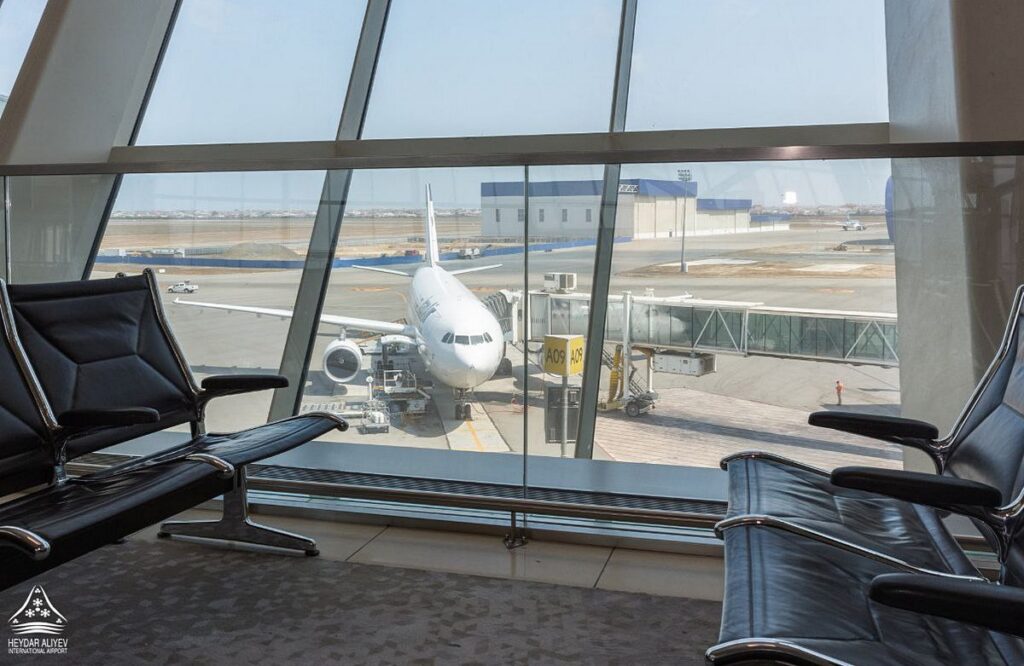

As of September 22, all flight operations by Iranian airlines to Azerbaijani airports have been suspended. The move follows similar restrictions that took effect in Georgia on September 20.
The regional market closure stems from an expanded sanctions package issued by the U.S. Department of the Treasury’s Office of Foreign Assets Control (OFAC) on September 8, 2026. Under threat of secondary sanctions—including potential exclusion from the U.S. dollar clearing system—the regulator prohibited foreign airport operators, fuel providers, and ground handling companies from servicing Iranian aircraft, offering navigation support, or facilitating ticketing.
Regulatory stance in Tbilisi and Baku
On September 10, the Georgian Civil Aviation Agency (GCAA) released an official statement reaffirming its commitment to international sanctions compliance. The regulator emphasized that foreign airline market access remains strictly subject to national legislation, ICAO standards, and U.S./EU restrictive measures. The GCAA noted that OFAC designations—including the Specially Designated Nationals (SDN) List—have served as a standard monitoring tool for years. Iranian carriers completed their final commercial legs into Georgia on September 20 before operations were halted.
On September 22, Azerbaijan followed suit. In a statement, civil aviation holding company/state aviation body AZAL confirmed that the decision to suspend Iranian flight services was a direct response to the heightened U.S. sanctions targeting Iran’s aviation sector.
Exposure across neighboring markets
While other states across the South Caucasus and Central Asia have refrained from imposing formal statutory bans, Iranian airlines face severe operational risks throughout the broader region.
Local ground handlers, fuel suppliers, and airport management firms are taking a conservative approach to manage OFAC exposure. As a result, commercial routes connecting Iran to Central Asia and Armenia face critical operational disruption—ranging from refuel rejections and handling cancellations to the unilateral termination of service-level agreements.
Don't miss our articles — subscribe
Key commercial aviation news from Central Asia and the South Caucasus — once a week, in your inbox.
Editor’s Choice
-
Kazakhstan and Switzerland establish legal framework to launch direct flights
AirlinesAirportsNews -
Kyrgyzstan mandates Kyrgyz language for key in-flight announcements
AirlinesNews -
Kyrgyzstan bans overbooking
AirlinesEditor's ChoiceITNewsPopular -
Kazakhstan and China increase scheduled passenger flight quota by over 20%
AirlinesAirportsNews
Editor’s Choice
-
Kazakhstan and Switzerland establish legal framework to launch direct flights
AirlinesAirportsNews -
Kyrgyzstan mandates Kyrgyz language for key in-flight announcements
AirlinesNews -
Kyrgyzstan bans overbooking
AirlinesEditor's ChoiceITNewsPopular -
Kazakhstan and China increase scheduled passenger flight quota by over 20%
AirlinesAirportsNews