
-
Air Astana Group extends Dubai suspension through end of summer schedule
AirlinesNews18.08.2026 -
Kazakhstan and Turkey increase flight frequencies
AirlinesNews18.08.2026 -
Central Asia’s cargo corridor comes of age
AirlinesAirportsCargoInsights14.08.2026 -
Azerbaijan Airlines outsources freight pallet management to foreign provider
AirlinesCargoNews12.08.2026

Latest Content
-

Air Astana Group extends Dubai suspension through end of summer schedule
Carriers cite persistent geopolitical instability across the Persian Gulf regionAirlines News -
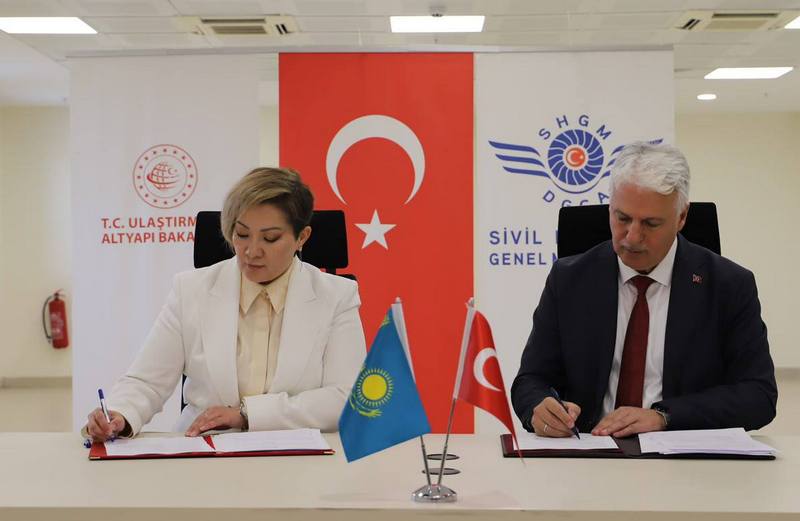
Kazakhstan and Turkey increase flight frequencies
Flight numbers nearly double on primary routesAirlines News -
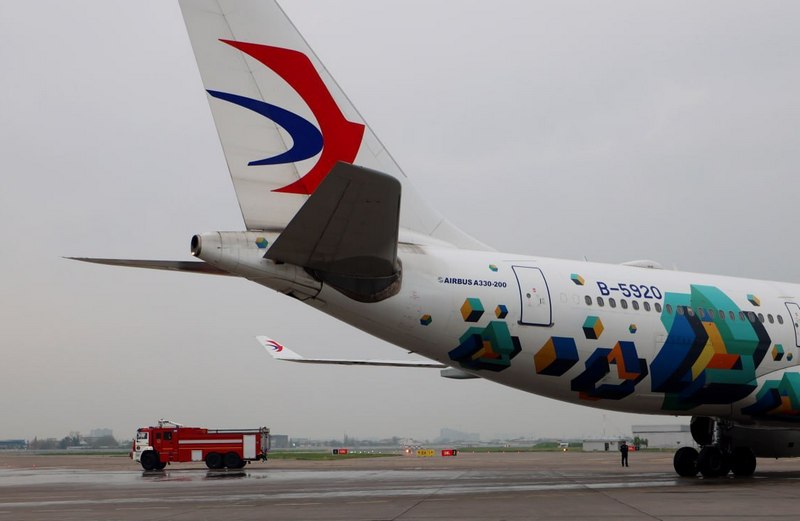
Who is designing Central Asia’s aviation map?
China has become one of the fastest-growing international markets for Central Asian aviationAirlines Insights Uncategorized -

Central Asia’s cargo corridor comes of age
A region moves from detour to destinationAirlines Airports Cargo Insights -

Azerbaijan Airlines outsources freight pallet management to foreign provider
ACL Airshop to manage operational support and tracking for the carrier's ULD palletsAirlines Cargo News -
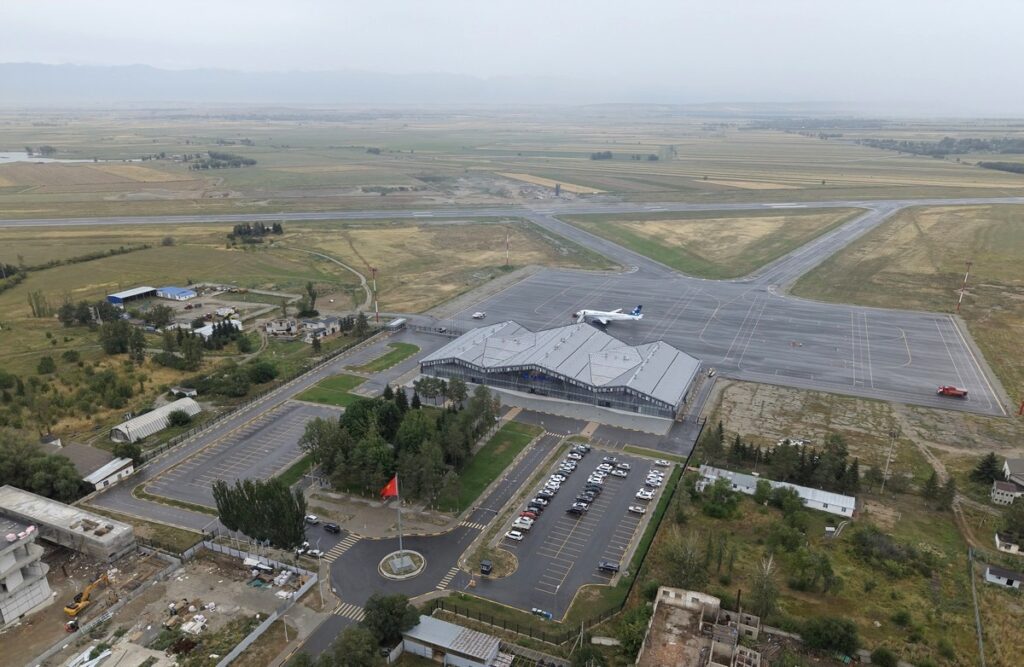
Kyrgyzstan’s Karakol airport opens for trunkline operations following runway extension
Modernized infrastructure at Issyk-Kul gateway positions airport for international network growthAirports News
Editor's Choice
All Articles-
Kazakhstan and Turkey increase flight frequencies
Flight numbers nearly double on primary routesAirlines News -
Who is designing Central Asia’s aviation map?
China has become one of the fastest-growing international markets for Central Asian aviationAirlines Insights Uncategorized -
Central Asia’s cargo corridor comes of age
A region moves from detour to destinationAirlines Airports Cargo Insights -
Kyrgyzstan’s Karakol airport opens for trunkline operations following runway extension
Modernized infrastructure at Issyk-Kul gateway positions airport for international network growthAirports News -
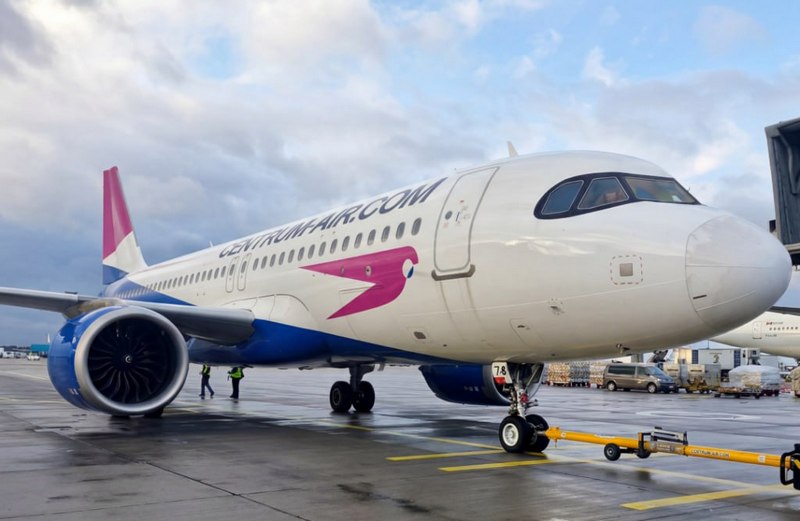
Centrum Air to launch flights to Sri Lanka and Indonesia
Uzbekistan’s largest private airline is set to become the sole carrier on both routesAirlines News -
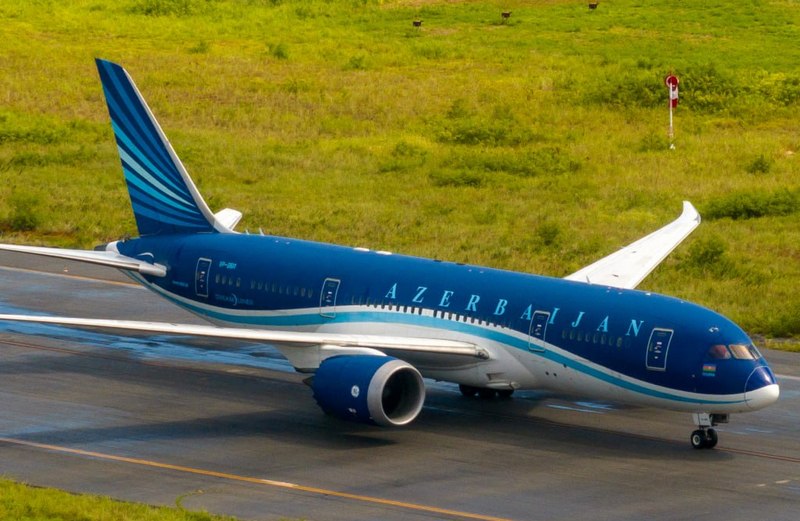
Azerbaijan Airlines increases transit passenger traffic by 39%
The highest growth in transit passengers was recorded on flights from the Indian Subcontinent.Airlines News


Show more