
Passenger traffic between Kazakhstan and Uzbekistan surges over 30%
Flight frequencies reach 70 weekly rotations as regional route networks expand
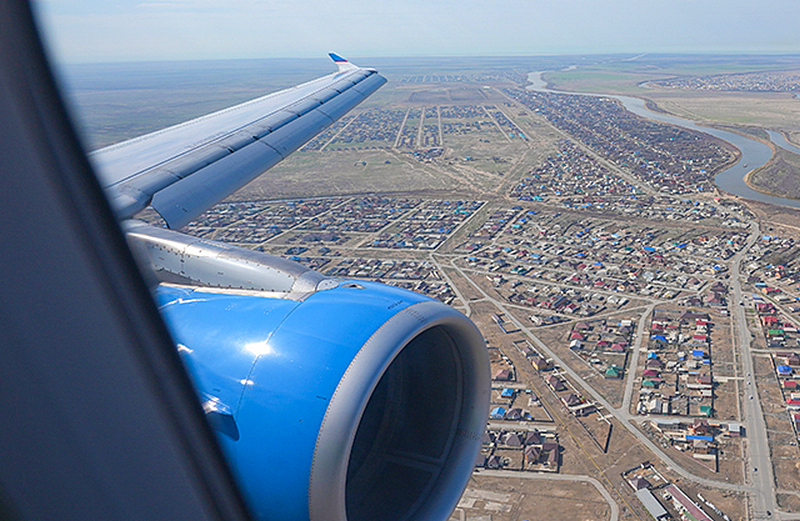

Air connectivity across Central Asia’s core markets is demonstrating strong, sustained growth. According to data from Kazakhstan’s Ministry of Transport disclosed at a recent tourism forum in Tashkent, passenger traffic between Kazakhstan and Uzbekistan has expanded by more than 30% year-to-date. Combined bilateral flight frequency has climbed to 70 weekly rotations, representing a 40% year-over-year increase. Alongside capacity additions on primary trunk lines, the market is undergoing regional decentralization as carriers build out direct point-to-point networks.
Network expansion dynamics
Uzbek private carrier Centrum Air served as a primary catalyst for network expansion. In 2026, the airline launched scheduled services connecting Tashkent with Astana, alongside regional routes to Aktobe (effective August 2) and Kostanay (effective June 13). Uzbek flag carrier Uzbekistan Airways introduced non-stop flights from Tashkent to Atyrau on March 30. Effective August 13, the airline also boosted frequency on the Tashkent–Almaty trunk line to three daily rotations, while stepping up Nukus–Almaty operations to four weekly flights.
On the Kazakh side, flag carrier Air Astana scaled operations on the high-demand Almaty–Tashkent corridor to a record three daily services for the first time. Meanwhile, LCC operator FlyArystan added Almaty–Urgench to its network portfolio on September 3.
Capacity rationalization and market adjustments
Rapid network expansion is driving natural market calibration, with carriers trimming underperforming routes to protect yields. Centrum Air suspended its Tashkent–Uralsk route just three months after its March 29 launch due to soft load factors. Similar balancing dynamics are visible on routes serving the Fergana Valley. While carriers routinely attempt to build up scheduled operations into the region, off-peak demand slumps regularly prompt capacity rationalization, leading operators to temporarily pull flights from the schedule or shift capacity to charter operations.
Follow us on social media
Editor’s Choice
-
Who is designing Central Asia’s aviation map?
AirlinesInsights -
Uzbekistan resumes scheduled flights to UAE and Saudi Arabia
AirlinesNews -
IATA expects moderate passenger growth in Uzbekistan over next 25 years
AirlinesAirportsNews -
Uzbekistan becomes the leading international destination for Russian airlines
AirlinesAirportsNews
Editor’s Choice
-
Who is designing Central Asia’s aviation map?
AirlinesInsights -
Uzbekistan resumes scheduled flights to UAE and Saudi Arabia
AirlinesNews -
IATA expects moderate passenger growth in Uzbekistan over next 25 years
AirlinesAirportsNews -
Uzbekistan becomes the leading international destination for Russian airlines
AirlinesAirportsNews