
Central Asia Aviation Cargo Summit: A region moving closer to the center of global air cargo
The event brought together 340 participants from airlines, airports, logistics companies, technology providers, regulators and freight specialists
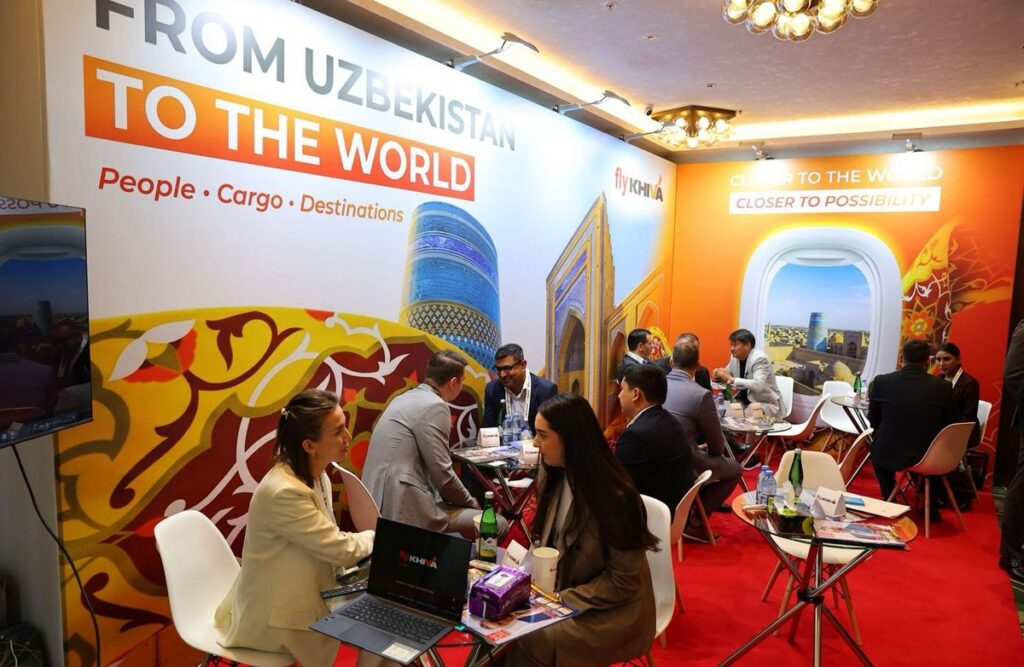

The Central Asia Aviation Cargo Summit 2026 brought together 340 participants from airlines, airports, logistics companies, technology providers, regulators and freight specialists for two days of discussion in Tashkent on 30 September and 1 October.
The program reflected the rapid development of air cargo across Central Asia. Airlines are adding capacity, airports are investing in infrastructure, e-commerce is creating new traffic flows, while multimodal logistics, customs processes, digital standards and workforce development are becoming increasingly important for the region.
Growth, standards and stronger cargo corridors
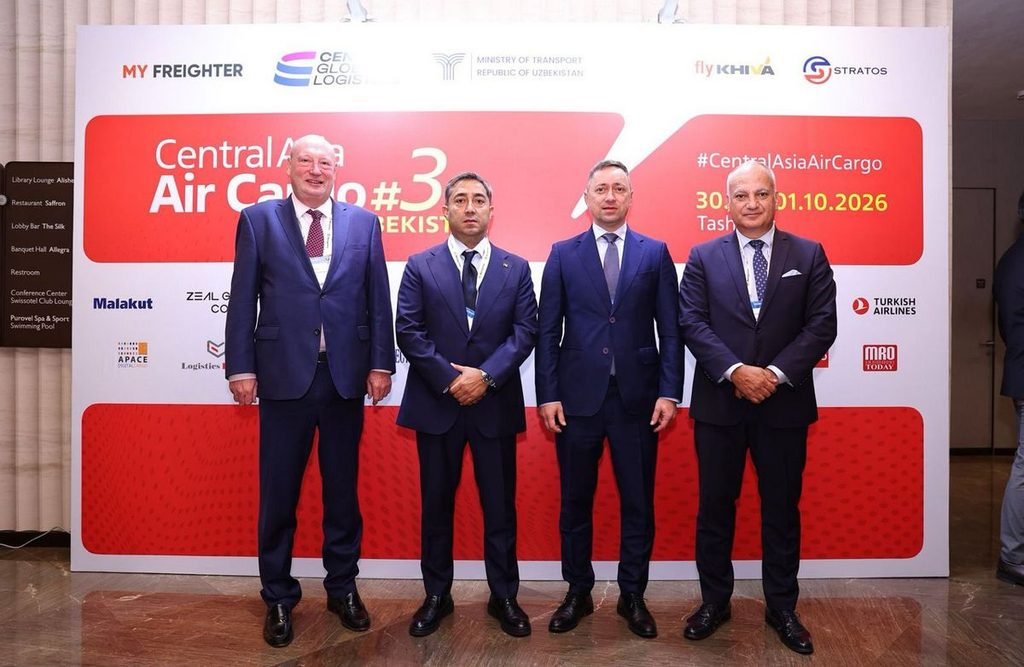
The Summit opened with welcome remarks from Catalin Radu, CEO & Director General of RGC AvNet, and Henrik Hololei, Aviation Expert and former Director General at the European Commission. Their participation underlined the international relevance of the discussions in Tashkent and placed Central Asia’s cargo development in a broader European and global aviation context.
Both speakers brought a high-level strategic perspective to the opening of the event, setting the stage for two days of discussions on connectivity, regulation, infrastructure and the future role of Central Asia in international air cargo.
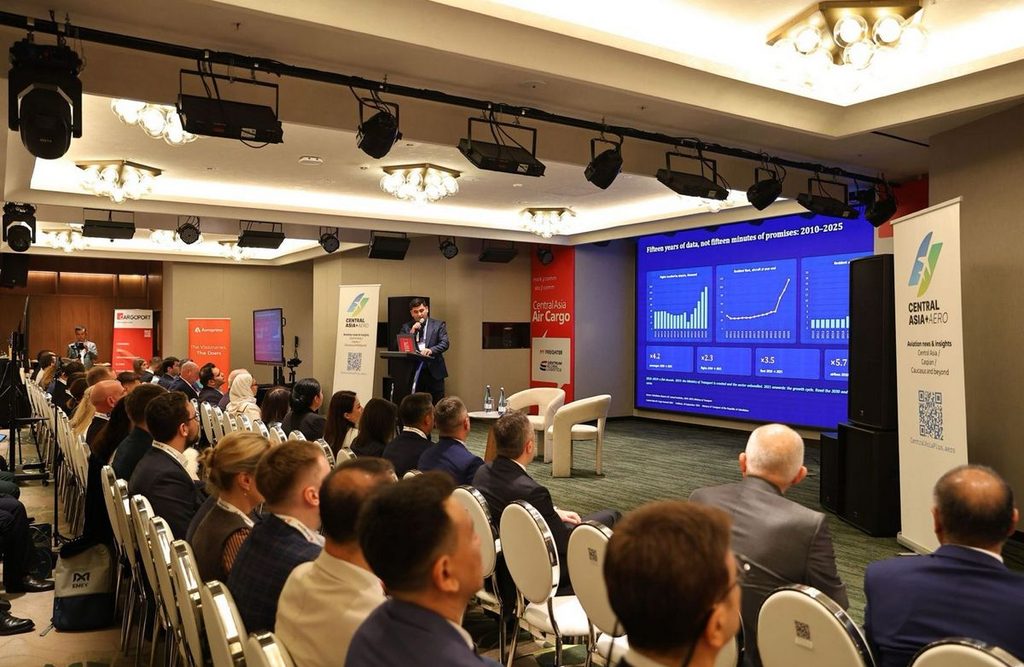
The opening sessions focused on the growth of air cargo in Central Asia and the systems needed to support it. Speakers from IATA, Malakut Insurance Brokers, Turkish Technology and Almaty International Airport addressed global cargo standards, aviation insurance, artificial intelligence in cargo sales and customer service, and airport development.
Multimodal logistics was another major part of the program. Representatives of Silk Way West Airlines, Saudia Cargo and DHL Global Forwarding discussed how air, rail and road transport can work together and how Central Asia can build stronger connections with China, Europe, the Middle East and other markets.
The program then turned to e-commerce, perishables, high-value cargo and last-mile logistics. Aélia, YDA Group, Pacific Air Holdings and EMEX / FedEx Central Asia contributed perspectives on insurance, regional gateways, special cargo, customs and the growing demands of cross-border e-commerce.
Global practices and digital cargo
The IATA Roundtable examined how international cargo standards can be applied more effectively across Central Asia. Representatives of IATA, Lufthansa Cargo, Qatar Airways, Centrum Air / My Freighter and the Customs Committee of Uzbekistan discussed certification, ONE Record, cargo connectivity, regulatory modernization and the exchange of digital data across the cargo chain.
Digitalization remains one of the most practical issues facing the industry. Better data exchange, fewer manual processes and greater compatibility between airlines, airports, customs authorities and logistics companies are becoming essential as regional cargo volumes grow.
Airlines, airports and technology providers at one table
The first day concluded with a major panel discussion on Eurasian cargo synergies, bringing together representatives of Kale Logistics, Silk Way West Airlines, Centrum Air, EMEX / FedEx Central Asia, Aviareps, Atlas Air, Lufthansa Cargo, Chapman Freeborn, Navoi International Airport, Zeal Global Services and Turkish Airlines.
The discussion covered airline capacity, airport infrastructure, digital platforms, express logistics, GSSA services, charter operations and commercial market development. Panelists also considered the future of Tashkent, Almaty, Navoi and other regional airports, the development of Eurasian cargo corridors and the main bottlenecks that could limit further growth.
Flexible capacity and airport development
The second day focused on global operators, ACMI, charter capacity and airport infrastructure. Chapman Freeborn discussed strategic air chartering, while Atlas Air presented flexible ACMI solutions for Central Asia. Latvijas Pasts examined the role of postal operators and airlines in cross-border e-commerce, and Hans Infomatic addressed cargo terminal automation, cybersecurity and IATA ONE Record.
Tashkent Airport and Navoi International Airport presented their cargo development strategies and infrastructure plans, giving participants a closer look at Uzbekistan’s ambitions in Eurasian logistics.
The final panel turned to workforce development. Representatives of Qanot Sharq, Centrum Air, Jupiter Jet and SCAT Airlines discussed education, professional skills and the staffing needs of a growing aviation market.
Two days of meetings and new contacts
The Summit combined formal sessions with extensive networking through coffee breaks, lunches and an evening reception. The first day also included signing ceremonies involving RGC AvNet and AeroClass, as well as CAA Romania and CAA Uzbekistan.
For companies already active in Central Asia, the Summit offered an opportunity to meet partners, discuss current projects and compare market perspectives. For organizations considering the region, it provided direct access to many of the airlines, airports, logistics companies, technology providers and regulators involved in its development.
The Central Asia Aviation Cargo Summit 2026 covered a market agenda that now extends far beyond capacity and infrastructure. Digital standards, e-commerce, multimodal logistics, customs, insurance, automation and workforce development are all becoming part of the same conversation.
As new routes, investments and partnerships continue to develop across the region, there will be plenty to discuss when the industry meets again.
Don't miss our articles — subscribe
Key commercial aviation news from Central Asia and the South Caucasus — once a week, in your inbox.
Editor’s Choice
-
IATA Roundtable: Turning global cargo best practices into regional success
AirlinesAirportsCargoNews -
Tashkent to host 3rd Central Asia Air Cargo Summit as region emerges as global freight corridor
AirlinesAirportsCargoNews -
The right air cargo people in one room
AirlinesAirportsCargoNews -
Tashkent to host 7th Central Asia Aviation Summit amid growth in Uzbekistan's air transport
AirlinesAirportsNews
Editor’s Choice
-
IATA Roundtable: Turning global cargo best practices into regional success
AirlinesAirportsCargoNews -
Tashkent to host 3rd Central Asia Air Cargo Summit as region emerges as global freight corridor
AirlinesAirportsCargoNews -
The right air cargo people in one room
AirlinesAirportsCargoNews -
Tashkent to host 7th Central Asia Aviation Summit amid growth in Uzbekistan's air transport
AirlinesAirportsNews